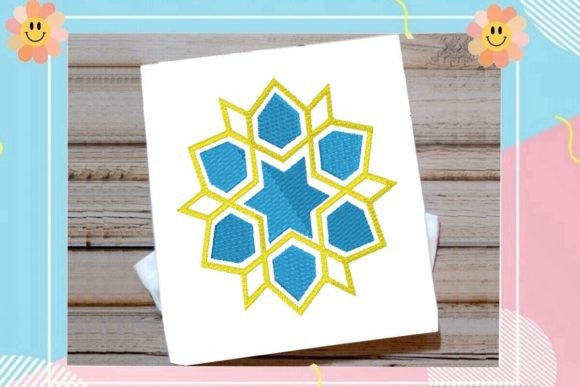
Testing Geometric Patterns of the East for Personalized Gift Products
As an embroidery designer preparing for a new season of personalized gift orders, my first task is always to evaluate a design file’s real-world potential. Today, I’m reviewing the Geometric Patterns of the East embroidery file, imagining it stitched onto everything from baby blankets to wedding keepsakes. This Moroccan-inspired pattern, rich with colorful Zakhrapha motifs, presents a fascinating case study for crafters and small business owners.
First Impressions: Mood and Emotional Appeal
The immediate charm of this design is its elegant balance. It feels neither purely classic nor starkly modern, but rather a timeless blend. The intricate geometric ornaments evoke a sense of thoughtful craftsmanship and heritage, making it perfect for gifts meant to carry emotional weight. It’s a pattern that whispers of artistry rather than shouts, lending a sophisticated handmade quality to any product it adorns. For a customer seeking a meaningful gift—something beyond a generic item—this design provides that crucial layer of perceived value and emotional connection.
Potential Applications: From Nursery to Wedding Altar
My planning begins by visualizing the finished product across various categories. For baby embroidery, this pattern could transform a simple cotton blanket or nursery pillow cover into a cherished heirloom. Its vibrant, structured motifs are playful yet elegant, avoiding overly childish themes. For wedding gifts, imagine it embroidered on a linen pillow cover or a custom tote bag for the bridal party; it offers a romantic, global-inspired aesthetic that feels special and personalized.
This design’s versatility is its greatest asset for sellers. I can see it working beautifully on:
- Kitchen towels and aprons for a sophisticated, personalized home set.
- Tote bags and pillow covers as standout items for craft fairs or Etsy listings.
- Blankets and throws, where the larger repeat pattern would create a stunning focal point.
- Family keepsakes, like framed embroidered art or handkerchiefs.
Each application benefits from the design’s high detail level, which enhances the product photography and buyer engagement in online shops. A printable mockup featuring this pattern on a towel or bag would immediately attract customers looking for unique, digitally-embroidered gifts.
Practical Considerations and Careful Usage
While the pattern is stunning, its complexity demands practical testing before running it on real customer orders. The intricate Zakhrapha ornaments mean stitch density will be key. My first step is always to test on scrap fabric identical to my intended product material.
Certain applications require extra caution:
- Delicate details on small-scale items: When used on something like a baby bib or a small corner of a towel, I would need to check the clarity of the smallest motifs after stitching.
- Textured or thick fabrics: On terrycloth towels or chunky blankets, using the proper stabilizer is paramount to prevent puckering and ensure crisp lines.
- Dark fabric: Thread color contrast must be planned meticulously. A light, bright thread palette would pop beautifully, but needs testing.
- Products needing frequent washing: For kitchen linens or baby clothes, a robust stitch density and quality thread will ensure longevity, maintaining that handmade quality through use.
I would also advise checking the design’s suitability for curved surfaces, like the rounded edges of a pillow, and for stretchy fabrics common in baby garments. The hoop size required for the full pattern will determine which products it can fit on; this is a fundamental check before offering it as a customization option.
Enhancing Giftability and Customer Trust
From a small business perspective, using a design like Geometric Patterns of the East directly impacts giftability. A customer purchasing a personalized towel or baby blanket is looking for a token of care. This design, with its artistic depth, elevates a simple embroidered item into a story-rich object. It builds customer trust because the finished product looks intentionally designed and professionally executed, not hastily applied.
For Etsy sellers and small shop owners, this translates to positive reviews and repeat business. Offering custom embroidery with this pattern on a preview basis—showing clients a mockup on their chosen item—can significantly boost engagement and reduce order hesitation. The design feels exclusive and bespoke.
Final Embroidery Notes Before Launch
My review process concludes with a checklist. For any commercial embroidery project, especially one intended for personalized gifts, due diligence is non-negotiable.
- Test rigorously: Run the machine embroidery design on light and dark scrap fabrics to compare results.
- Confirm technical specs: While exact stitch count or file format isn't invented here, verifying the provided details with your machine is crucial.
- Evaluate thread choices: The colorful motifs suggest a vibrant palette. Testing thread colors for contrast and harmony on the final fabric is essential.
- Review commercial licensing: Before selling any finished product, confirm the licensing terms of the digital embroidery file. This protects your business and respects the designer’s work.
- Plan for production: Ensure your standard stabilizer and hoop size workflow accommodates this design efficiently for batch orders, like a series of wedding gift pillow covers.
Geometric Patterns of the East, with its roots in African artistry through the Moroccan Zellige tradition, offers a powerful tool for embroidery makers targeting the gift market. It’s more than just an embroidery file; it’s a bridge to creating products with deeper meaning, higher perceived value, and stronger emotional resonance. For the crafter looking to elevate their baby product line or the wedding gift designer seeking a timeless motif, this design warrants careful testing and enthusiastic application. The final, stitched product will speak for itself—a beautifully personalized gift waiting for its story to begin.