Design Review: Sweet Halloween Treat Embroidery for Branded Merchandise
As an embroidery designer working with small businesses, I’m always evaluating digital files for their commercial potential beyond simple decoration. Today, I’m reviewing the Sweet Halloween Treat machine embroidery design from a professional perspective. My goal is to assess how this freebie can translate into effective branded patches, apparel, and merchandise for your creative business.
First Impression: Visual Personality for Business Branding
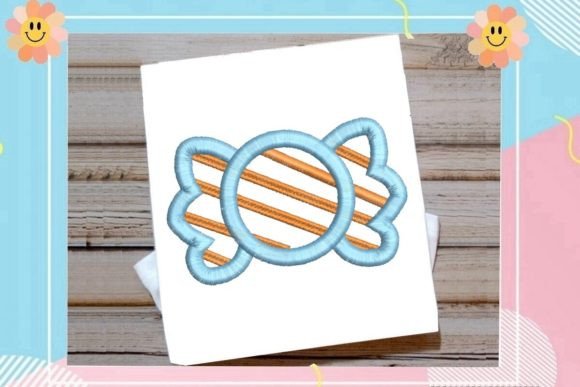
The Sweet Halloween Treat title suggests a playful, approachable motif. For a business, this translates into a friendly and festive brand accent. It leans towards a handmade and playful aesthetic rather than a rigid corporate one. This is perfect for businesses wanting to connect on a personal level—think boutique cafés, artisan bakeries, creative studios, or family-run shops looking to add seasonal charm to their custom apparel and small business merch. The design’s inherent sweetness can make a brand feel more welcoming and engaging during the Halloween season.
Real-World Business Applications for Sweet Halloween Treat
Let’s move from description to application. Imagine your business needs seasonal staff uniforms, event merchandise, or product packaging accents. Here’s where Sweet Halloween Treat could shine.
Embroidered Patches and Product Labels
A Sweet Halloween Treat embroidered patch is a versatile asset. It can be applied to tote bags as a limited-edition mark, sewn onto aprons for a bakery or café, or used as a subtle sleeve detail on staff shirts. For a handmade shop or Etsy seller, this patch could serve as a branded add-on to customer orders—a small seasonal gift that boosts customer engagement and reinforces your brand identity. Its simple motif likely means lower stitch density, making it cost-effective for producing multiple patches.
Uniform and Cap Embroidery
For chest logos or cap fronts, Sweet Halloween Treat offers a seasonal accent rather than a primary logo. It could work well on the sleeve of a work shirt for a florist offering Halloween arrangements or on the front of a cap for a pet brand’s seasonal photo event. The key is using it as a supplementary design that enhances your core branding, adding a timely touch of festivity without overwhelming your main visual identity.
Tote Bags and Apron Designs
These are prime canvases. Embroidering Sweet Halloween Treat onto a tote bag creates instant boutique merchandise. For a creative studio or small retailer, this turns a functional item into seasonal promotional gear. On an apron, it personalizes the garment for a baker or shop staff, making the handmade product presentation more cohesive and intentional during October.
Critical Considerations for Professional Results
While the design is charming, successful commercial embroidery requires careful planning. Here are practical notes from the designer’s table.
Scale and Placement Testing
Always test the embroidery file at your intended patch size first. A design that looks delightful at a large hoop size might lose definition when minimized for a cap front or small product label. Check the spacing of elements; cramped details can blur when stitched small. If the description doesn’t specify a minimum recommended hoop size, run a test stitch on scrap fabric to determine the smallest viable application.
Thread Color and Fabric Compatibility
Consider your background fabric. On dark uniforms or tote bags, you may need to adjust thread colors for better contrast to maintain professionalism. Always review thread color contrast in a printable mockup before production. The design’s performance on textured fabric, like canvas for bags or twill for caps, depends on using the proper stabilizer. A test on real material is non-negotiable.
Durability and Commercial Licensing
Items like staff uniforms and tote bags need to withstand frequent washing. Evaluate the stitch density—too high on thin fabrics can cause puckering and wear. Since this is a freebie, you must confirm commercial licensing before business use. Verify the terms to ensure you can legally use this digital embroidery file on products you sell or distribute as part of your branding.
How Sweet Halloween Treat Influences Brand Perception
Using this design on your merchandise isn’t just about decoration; it’s a brand communication tool.
It can enhance customer trust by showing your brand’s attention to seasonal details and thoughtful presentation. It boosts product value—an embroidered patch on a plain tote bag elevates it to a branded item. For visual consistency, if your brand already has a playful or handmade aesthetic, Sweet Halloween Treat can integrate seamlessly, strengthening recognition. However, for a brand with a very modern or minimalist core identity, this design should be used sparingly, perhaps only on temporary event merch, to avoid diluting your primary professional image.
Final Designer Recommendations for Implementation
To integrate Sweet Halloween Treat successfully into your business assets, follow a disciplined process.
- Create a mockup for client or team approval before stitching any bulk order.
- Compare it beside your other design assets to ensure visual harmony.
- Test it in black and white first to assess its form and outline clarity, independent of color.
- Use it as an accent, not a cornerstone, of your seasonal branding.
- Finally, treat it as one component of a broader merchandise strategy, pairing it with your core logo for maximum professional impact.
In summary, the Sweet Halloween Treat machine embroidery design holds genuine potential for small business merchandise when approached with a professional eye. Its playful charm can translate into engaging patches, uniform accents, and boutique products that resonate with customers during the festive season. By testing meticulously, considering licensing, and aligning its use with your overall brand identity, you can turn this delightful freebie into a valuable design asset for your commercial embroidery projects.