A Designer's Honest Review of the Peacock Embroidery Design
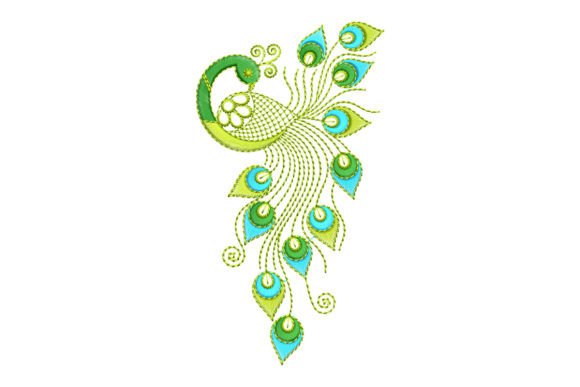
Whenever a new design file lands in my library, my first thought is always: where does it truly belong? Not just where it can be placed, but which project will unlock its full character. The Peacock embroidery design, squarely in the Birds category, immediately struck me as a piece with a distinct personality. It’s not a simple silhouette; it feels like a decorative, almost regal motif designed to be a focal point.
The Visual Personality & First Impression
This design carries an elegant, ornamental mood. The shape suggests careful layout, likely with intricate tail feathers and a poised body. It creates an impression of delicate artistry, which is perfect for projects where the embroidery itself is the star—not just an accent. For my creative clients, especially those running small shops or crafting personalized gifts, this visual personality translates directly into perceived value. A well-executed peacock on a product tells a story of attention to detail.
Thinking through its application, I pictured it immediately on a high-quality tote bag or a cozy sweatshirt. These are items where a larger, beautiful design can shine and elevate the entire product. It wouldn’t feel right as a tiny logo on a cap; it demands space to breathe and show off its detail level.
Where This Design Excels in Real Projects
In practical terms, I evaluate a design by imagining it stitched out on various finished products. For the Peacock, several applications feel natural and commercially promising.
For custom apparel, like a ladies’ blouse or a boutique-style sweatshirt embroidery, it adds a touch of sophisticated personality. It’s a strong choice for home décor items, such as a pillow cover or a decorative tea towel, where it becomes a permanent artistic element. As an embroidered patch, it could be stunning, allowing for application on diverse items later.
Its thematic elegance makes it a contender for special occasions. Imagine it on a wedding gift blanket or a holiday embroidery project like a festive table runner. For Etsy sellers and craft fair products, this design has the visual appeal to catch a customer’s eye in a crowded marketplace. It feels giftable and memorable.
From a business perspective, using a design with this much inherent detail can boost customer trust in your handmade product quality. It suggests you invest in good design assets. Consistency matters too; if your brand leans towards nature or elegance, this Peacock could become a recognizable part of your small shop product line.
Considerations & Where to Use Carefully
Now, the practical designer’s mind turns to the challenges. A design with delicate details requires forethought.
Stitch density is a key consideration. If the file has dense fill stitch areas in the tail feathers, it could become very heavy on lightweight fabrics like thin t-shirts or baby clothes. The fabric might pucker or become stiff. On stretchy fabric, like some sweatshirt materials, proper stabilizer choice is non-negotiable to maintain shape.
Dark fabric presents another test. The design’s intricacy might need a bold thread color contrast to remain清晰. I always advise testing on both light and dark backgrounds before committing to a client’s project.
Applying it on curved surfaces, like caps, would be tricky due to its likely wide and tall layout. It’s not a design for small hoop sizes. Similarly, very textured fabrics could lose the clarity of small decorative accents. For items needing frequent washing, like baby embroidery on a bib, you’d want to ensure the stitch structure is robust enough to handle it.
My Essential Pre-Stitch Checklist
Before I ever load this machine embroidery design for a real project, here’s my routine:
- Test on scrap fabric first. This is the golden rule. Use the same material and weight as your final project.
- Check thread color contrast. Play with palettes. A peacock can be traditional blues and greens, or a modern monochrome.
- Review the actual stitchout. Inspect small details and corners for any potential thread breaks or awkward jumps.
- Confirm the necessary hoop size. Don’t assume; run a simulation if your software allows.
- Test it in simple black and white mockups. This helps visualize it as a digital product preview or on a printable mockup for your shop listing.
- Use proper stabilizer. Match it to your fabric. This is critical for design clarity.
- Clarify licensing. Since specifics weren’t provided in the description, I must advise: always confirm the license terms before using any embroidery file for commercial embroidery or selling finished products. This protects your craft business.
The Final Take: A Design for Purposeful Projects
The Peacock isn’t a casual, everyday motif. It’s a statement piece. In my hands, it would be reserved for projects where its elegance is appropriate and can be executed with care. Its value lies in its ability to transform a simple item—a plain tote, a neutral pillow—into a work of art, as the description suggests.
For apparel decorators and creative entrepreneurs, it offers a ready-made artistic element that can elevate a product line. For hobbyists making personalized gifts, it provides a path to a truly special result. The key is matching the design’s inherent personality to the right canvas and executing it with technical precision. When that alignment happens, this embroidery design delivers on its promise to add a touch of distinctive personality, creating a finished product that feels both professional and personally crafted.